Spring shelves, clear spaces!
By: Stefani Langone of Sterilite Corporation
As winter winds down and daylight stretches longer, many of us look around and realize the house could use a refresh. Mud tracked in, seasonal gear piled up, home projects paused mid‑way—it can feel chaotic. That’s where a thoughtful spring decluttering effort can bring calm and order.
Spring is the ideal time to reassess what you really need, clear out the clutter that built up during colder months, and set up storage systems that will carry you through the rest of the year. Whether you aim to reclaim space in a garage, shed, pantry, or basement, having durable, accessible shelving helps keep items organized and within reach.
In this post, we’ll walk through practical spring organizing ideas—including where and how a good shelf unit can make a big difference—to help you restore order and maintain it long after the dust settles.
Why a Shelf System is a Good Idea for Spring Cleaning
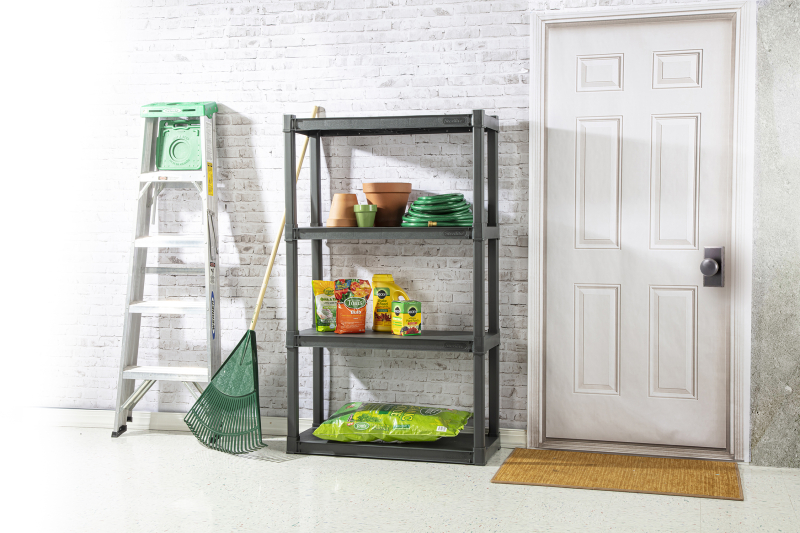
A modular, open‑shelf system is a game changer when you’re tackling post‑winter clutter. In basements, attics, garages, or sheds—where bulky, irregular‑shaped items like gardening tools, sports gear, or seasonal equipment tend to accumulate—a shelf unit gives every item a designated place. Open shelves specifically make items visible and easy to grab, reducing the frustration of rummaging through piles.
Using a 4‑shelf layout gives you flexibility: the height and spacing typically accommodate large tools, storage bins, or even seasonal decorations. By giving each category of items its own shelf, you can keep the area functional and clear, rather than letting things pile up until space is overwhelmed.
Maximize Your Space: Combine Shelving with Labeled Totes
If you’re ready to step up your storage game, pairing a 5‑shelf unit with properly sized storage totes can transform chaotic spaces into well‑organized zones. The extra shelf adds valuable vertical capacity, so you can store more without crowding any single shelf.
Totes—especially stackable ones that fit well on shelving units—help you group smaller or like‑items together. Label each tote clearly (think labels like “garden supplies,” “holiday décor,” “sports gear”) for quick recognition. This combo is especially useful for items you don’t need regularly but want kept accessible and can be a big advantage over tossing everything in a corner or loosely on the floor.
How to Use Shelf Units Indoors—pantry, Kitchen, Closets and More
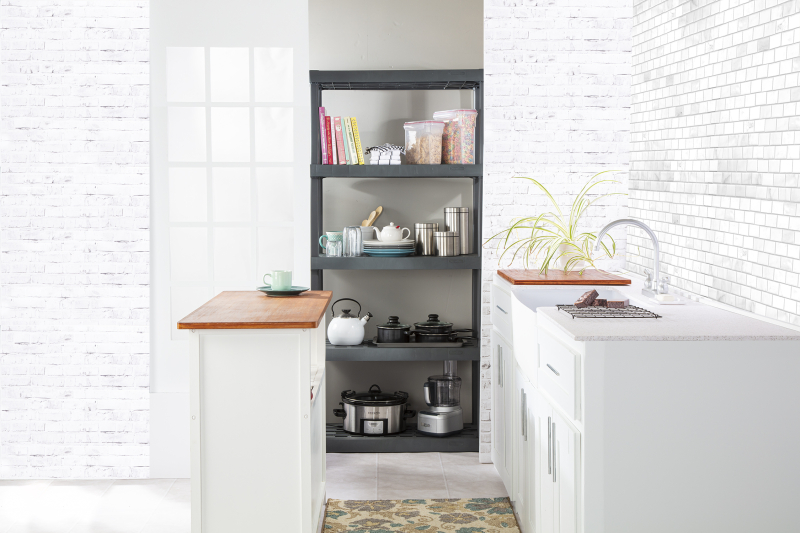
Shelf units aren’t just for garages and basements. Inside, a 5‑shelf unit can give your pantry, laundry room, utility closet, or storage nook an instant upgrade. Use them for all sorts of home organization needs like:
- Cookbooks, small appliances, and cookware so they’re easy to grab but not cluttering countertops
- Pantry staples and dry goods. This is especially helpful if you group items by type (e.g. baking, snacks, canned goods)
- Cleaning supplies, pet supplies, or seasonal items (like holiday décor) that you don’t need daily but want to easily retrieve
Proper shelving helps you make use of vertical space, keeps floors clear, and reduces the risk of spills or items falling when you reach for something.
Where to Begin: Planning Your Spring Declutter
Before loading up shelves, take a few minutes to plan. Many decluttering and home‑organization guides recommend a room‑by‑room or zone‑by‑zone approach.
- Choose one area—such as the garage, pantry, or attic—and commit a weekend or a few sessions to it.
- Sort items into categories like keep, donate or sell, recycle/trash, and relocate. This method helps you make quick, clear decisions.
- Be honest about what you use. If you haven’t used a tool, piece of gear, or any item in over a year (especially something bulky), consider letting it go. This will free up space for what truly matters.
- Once you decide what stays, think about how you want to store those items—whether on open shelves, in labeled bins, or in pull‑out totes—before putting them away.
Keeping the Clutter from Coming Back
It’s one thing to declutter now—it’s another to stay organized throughout the year. A few simple habits can help maintain your newly restored spaces:
- Assign each item a “home.” When you bring something in, always return it to its designated shelf or bin. That prevents drift and accidental piles.
- Label storage containers clearly, so everyone in the household knows what belongs where.
- Use vertical space. Both wall‑mounted shelves or freestanding shelves taking advantage of height maximize storage without crowding floors.
- Periodically review stored items—ideally every few months. Remove what you no longer use or rotate seasonal items so your system stays functional.
- Whether you’re organizing a garage full of tools, rethinking your pantry layout, or just trying to keep muddy boots and sports gear off the floor, a well‑planned shelving system can be a springboard toward long‑term order and simplicity.